


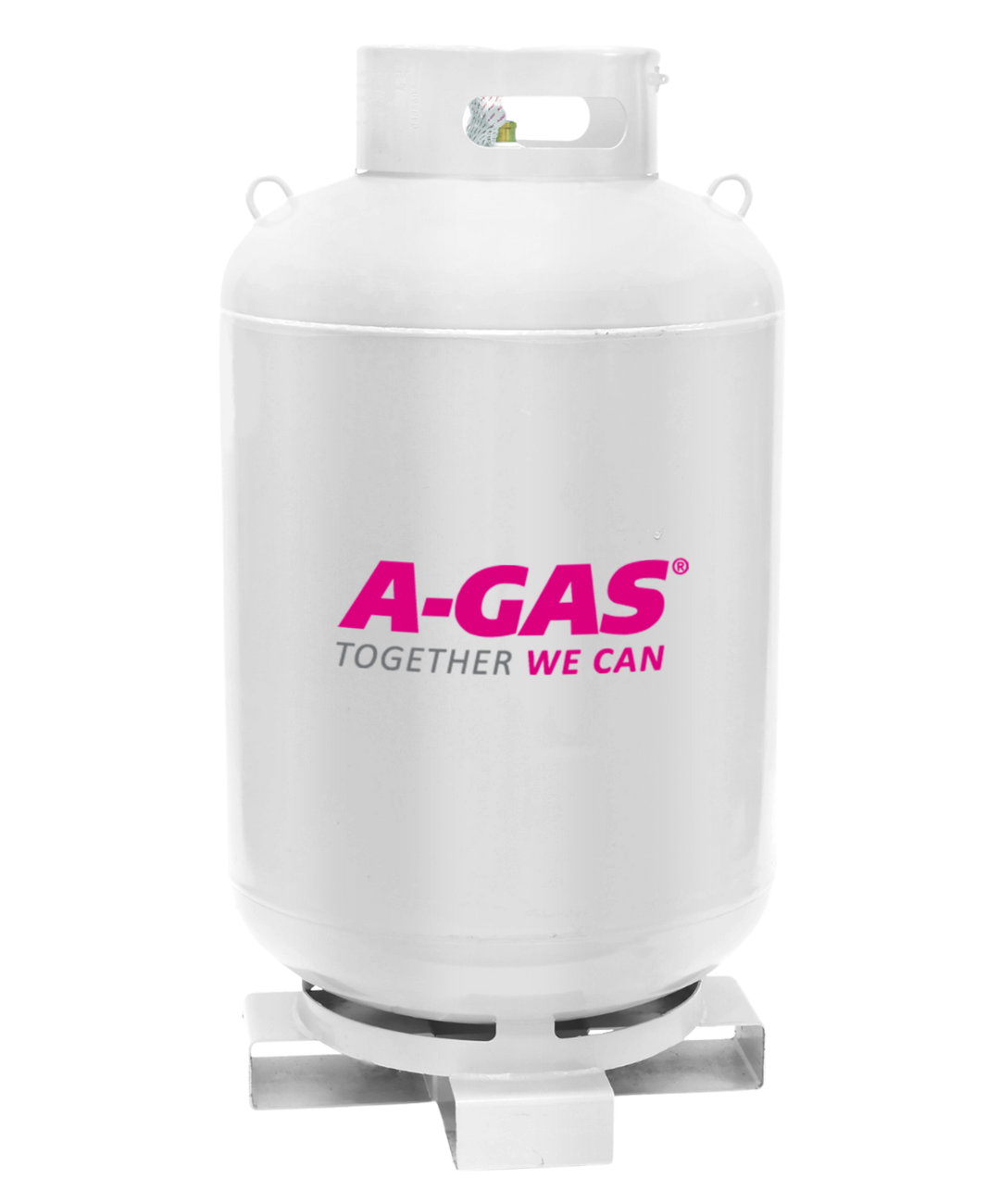
Halon 1301
Product Information
Halon 1301 is the most effective fire extinguishing agent, but because of its high ozone depleting potential, the production of Halon 1301 was banned in 1994 as part of the Montreal Protocol. Since then, we have specialized in safely and effectively reclaiming Halon 1301 for critical users.
Alternative Names
Bromotrifluoromethane, Trifluorobromomethane, Monobromotrifluoromethane, Trifluoromethyl bromide, Bromofluoroform, Carbon monobromide trifluoride, Halon 1301, BTM, Freon 13BI, Freon FE 1301, R 13B1, Halon 1301 BTM
Warnings
WARNING: Contains Bromotrifluoromethane, a substance that harms public health and environment by destroying ozone in the upper atmosphere.
Additional Information
GWPs listed are specified based on the IPCC’s fourth Assessment Report (AR4).
Halon Services
Buy Bulk Halon: Halon 1301 can be sold in bulk in any quantity over 50lb.
Recharge: Halon 1301 can be recharged into discharged or leaking system bottles. Ask us about our easy cylinder SWAP program!
Halon Bank: We can bank Halon 1301 for customers who need to build a supply for critical-use applications until a suitable replacement is found.
Sell Your Used Halon: We buy Halon 1301 from anywhere around the world. Fast payment, free shipping, and we handle all shipping documents to ensure a smooth, safe transaction!
Halon Testing: We can test your Halon 1301 in our AHRI-certified laboratory. All Halon purchased from A‑Gas comes with a certificate of analysis ensuring your product meets all industry standards.
Compliant: We follow all national & local regulations. We also adhere to NFPA standards and are compliant with the HARC Code of Practice!
Learn More About Halon 1301
Halon 1301, R13B1, Halon 13B1, or BTM (Bromotrifluoromethane), is an organic halide with the chemical formula CBrF3 that is used for fire suppression. It is far less toxic than other fire-suppressing agents, such as bromochloromethane.
Halon 1301 was developed in 1954 in a joint venture between DuPont and the U.S. Army. It was introduced in the 60’s as a gaseous fire suppression fixed-systems agent, effectively used in total flooding systems, aircraft, telecommunications switching centers, mainframe computers, and other valuable materials. The maritime industry also used it widely as a third level of protection, in the event that the main and emergency fire pumps become ineffective or inoperable.


Due to its limited range and invisible discharge, Halon 1301 was never widely used in portable applications outside military and spacecraft applications. Unlike CO2, Halon 1301 does not produce the characteristic white cloud, and when fighting large fires, it is challenging to direct. It produces fewer toxic byproducts than Halon 1211, which is critical for combat or space conditions where a compartment may not be able to be immediately ventilated, making Halon 1301 ideally suited for spacecraft and armored vehicles. Contained in 2.75-pound portable extinguishers with sealed, disposable cylinders for quick recharging, Halon 1301 is widely used by the U.S. Military and NASA.
Due to environmental concerns, Halon 1301 is being widely replaced by other agents such as CO2 and E-36 Cryotech wet chemical. Other sizes, such as 2.75, 3, and 4 pounds, were also made as civilian models.
Avoiding all unnecessary exposure to Halon 1301 is best practice, as is limiting exposures to concentrations of 7% and below to 15 minutes. Little to no effects are observed at Halon 1301 levels between 5% and 7%; however, at levels between 7% and 10%, central nervous system effects such as tingling in the extremities and dizziness have been documented. Evacuation is common practice for the operators of many Halon 1301 total flooding systems upon the impending discharge of the agent.
Being the primary agent used in commercial aviation engines, auxiliary power unit fire zones, and cargo compartments, Halon 1301 systems are among the most commonly used and effective fire protection systems on commercial aircraft. Efforts to find a suitable and widely accepted replacement for Halon 1301 have not been successful.