


R407F
Product Features and Benefits
Substitute for R22, R502, R404A and R407A
Zeotropic refrigerant blend containing R32, R125 and R134a
Refrigerant must be charged from the liquid phase to ensure accurate composition
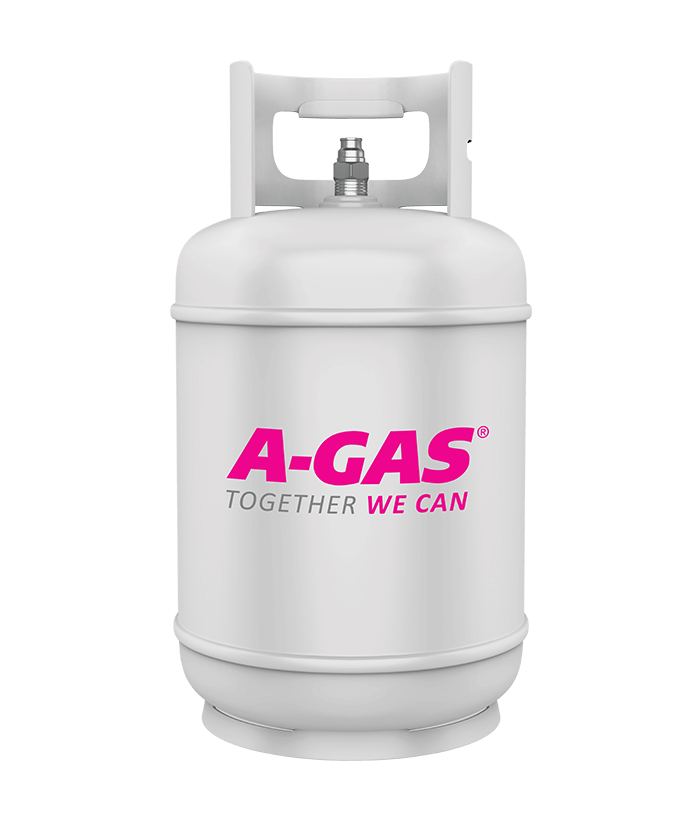
A‑Gas refrigerant cylinders have dual port valves, making liquid offtake easier
Non-flammable with a safety classification of A1
Compressors must be charged with polyolester oils - contact the compressor manufacturer for more information
Systems using R407F can consume up to 15% less energy than systems using R404A
Use of R407F can reduce CO2 emissions by up to 40%
Can be retrofitted into existing systems and used for new installations - please contact A‑Gas for more information
Be aware of the high discharge temperature at low temperature applications - discharge temperature mitigation may be required
The information contained within this website is for guidance only - for further system-specific advice please contact us directly
Retrofit Guide
Product Information Guide
Packaging Information
Available from A‑Gas wholesale partners - find a supplier for further details
A‑Gas product cylinders are fitted with a Residual Pressure Device (RPD) to ensure used refrigerant, or any other substance cannot be reintroduced into a cylinder
Store cylinders in a cool, dry, well-ventilated area, out of direct sunlight
A‑Gas operates a returnable cylinder fleet - empty cylinders are to be returned to an A‑Gas wholesale partner
For alternative or larger package sizes please contact A-Gas on 0215518790 or via the Contact Us form